Can shift and let it in
- It can shift as people and carts cross it.
- Seams can open along the joints.
- Water and dust get underneath.
- Moisture can sit trapped against the finish.
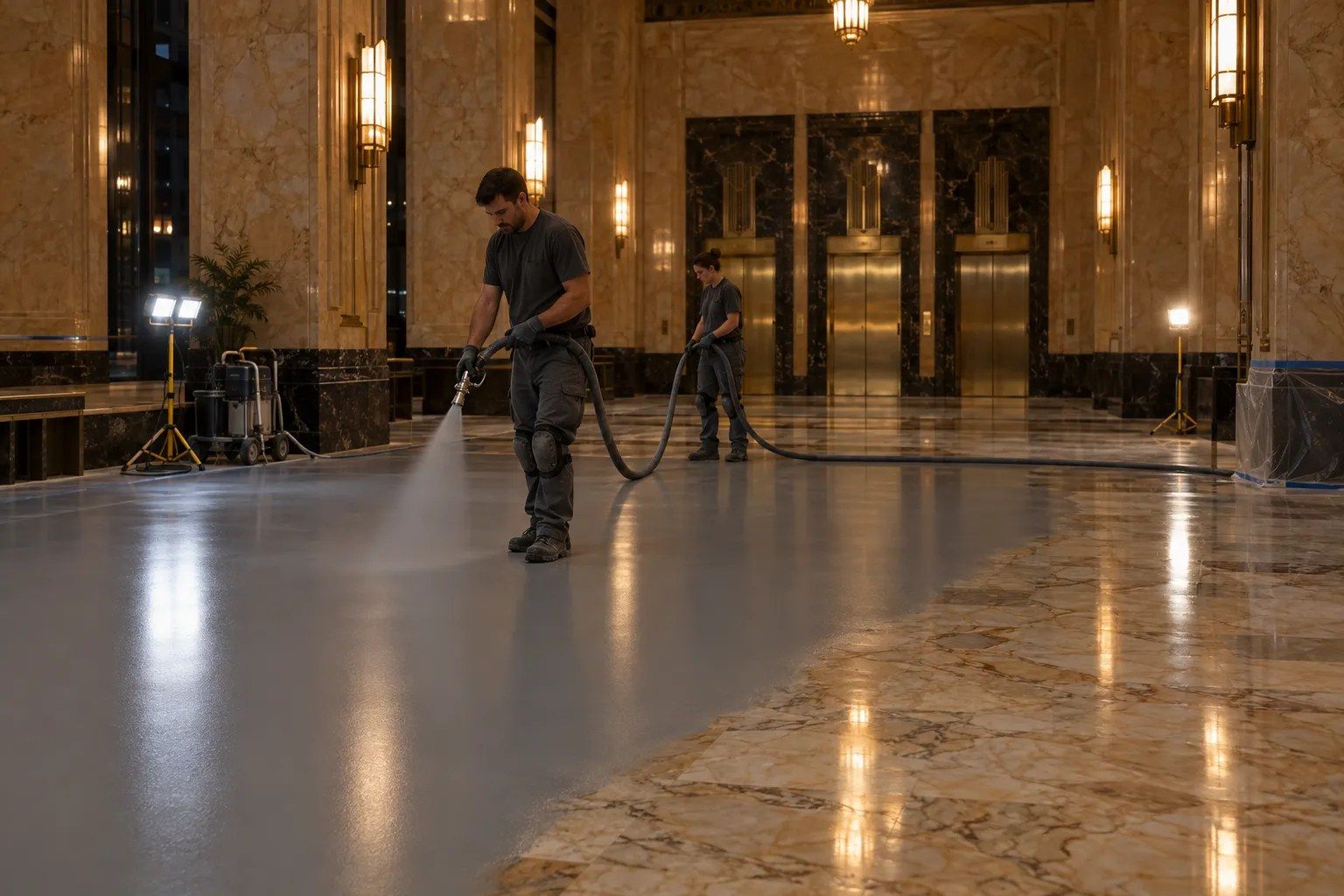
First on. Last off.
First Layer sprays peelable protection on finished surfaces before the work starts, and peels it off in one sheet when the work is done. We apply after hours, so your building, crew or production never waits.
Peelable surface protection is a coating that goes on a finished floor, wall or pane before construction starts and peels off in one sheet at turnover. First Layer installs it for building owners, elevator contractors, restoration firms, studios and glaziers across New York City, Long Island and the Northeast.
We spray the protection after hours, so the area is ready the next morning. The coating is sealed, so water, grit and spilled paint stay on top instead of getting underneath. We pick the product for each surface, test a patch first on every new one, check the work during the job and send a photo log.
Where a coating is the wrong answer, such as fabrics, fresh paint, bare brick, untreated wood or a surface that is already flaking, we say so and use board, film or mats instead. Carpet gets carpet protection first, then protection over it.
Protection that moves, or leaves a gap, can do its own harm to a finished surface such as stone, sealed concrete or a finished floor. Here is the difference we build around.
Dust, drips and spills stay on top of the film. At turnover we peel it off in large sheets and take it with us. Fabrics, fresh paint, bare brick, untreated wood and flaking surfaces get board, film or mats, not coating. Carpet gets carpet protection first, then protection over it. Dock plates, steel plates, elevator sills and door tracks can take it, and tears from forklift turns are easy to repair by re-coating. See where it doesn't go.
Peeltex Grey or Clear on polished marble and polished stone.
Peeltex Grey or White on cab walls, floors, sills and door tracks. Peeltex Clear on buttons, operating panels, stainless and doors. We plan access and moving parts with the elevator contractor.
Peeltex High Humidity, the exterior grade, applied after install and removed at handover.
Peeltex Grey or White, applied before load in and peeled at wrap.
Every package is priced by the job. Request a quote or book a site walk and we will scope it with you.
For owners and property managers. A set number of protection calls per year at a fixed rate, with a photo log after every visit.
For elevator contractors. Walls, doors and floor protected from install to turnover, then removed and cleaned up.
For owners and restoration firms. Test patch, protection, inspections and removal.
For studios and theaters. Applied, touched up and peeled at wrap.
For glazers and curtain wall crews. High Humidity coating applied after install, removed at handover.
Walk the site with us and we will tell you what goes where.
For glazing, curtain wall, steel and precast fabricators. Peelable protection comes through Strata Shield Supply for your shop, and First Layer handles field touch-up and removal.
We are the first point of protection, wherever the finish is worth more than the protection.
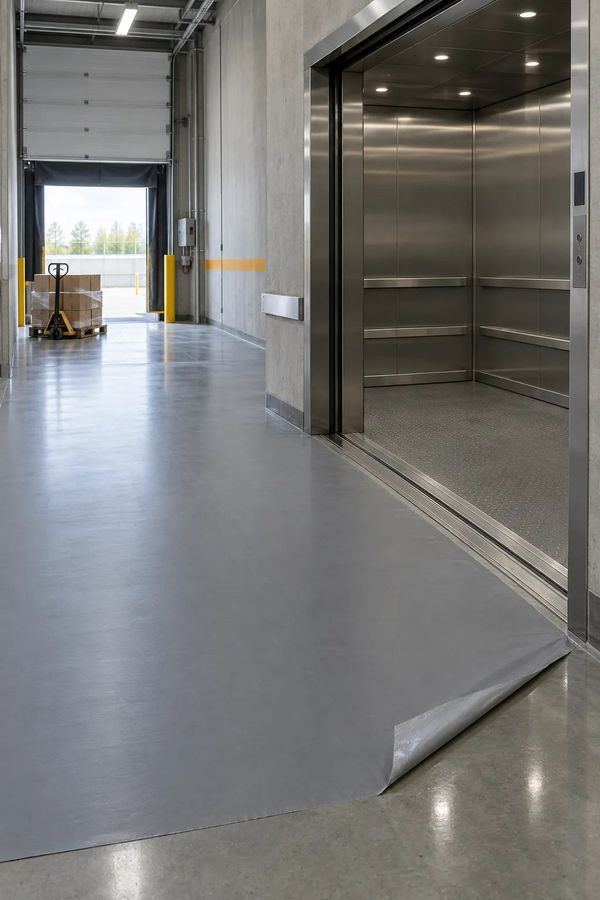
Temporary surface protection for the dock, freight route, cabs, lobby and suite entrances, so tenant work and deliveries do not scar the finishes.
Read more for building owners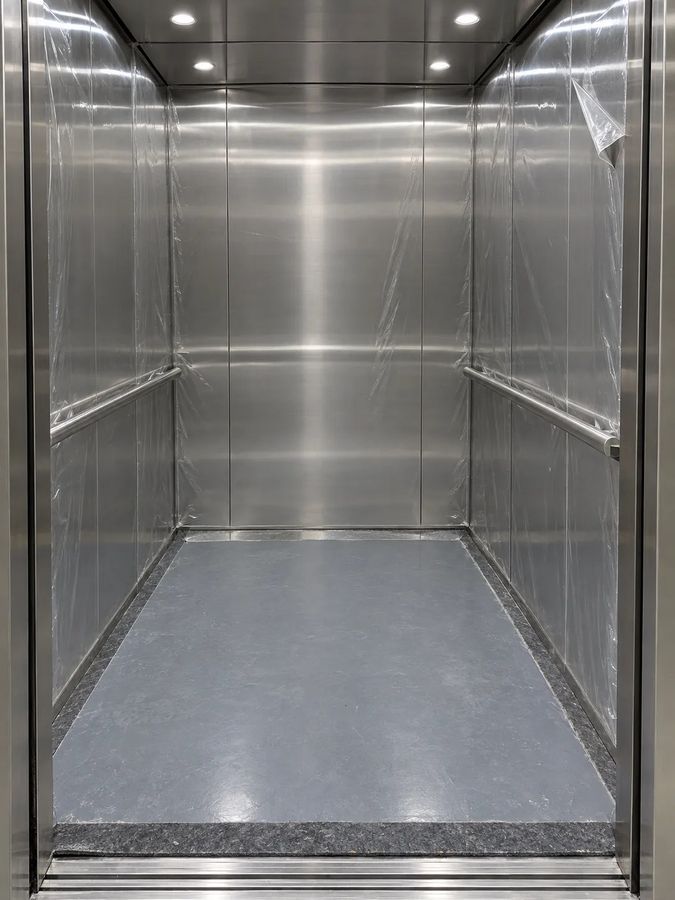
Cab walls, doors and floors protected from install to turnover, then removed and cleaned up at handover. Sills and door tracks can be coated too, and buttons get a clear coat. We plan access and moving parts with the elevator contractor.
Read more for elevator contractors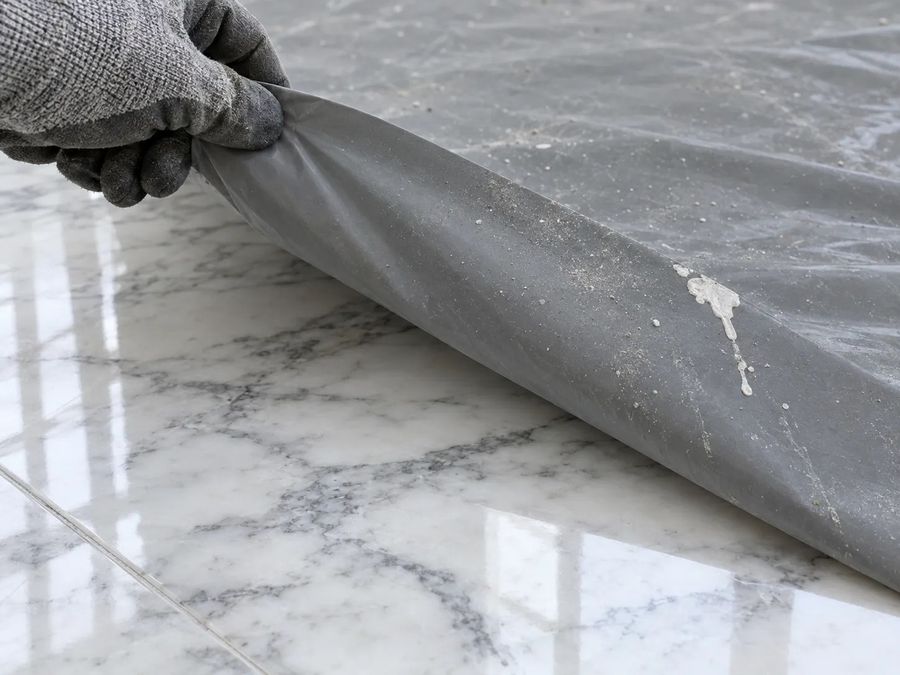
Marble, terrazzo and polished stone, protected, inspected while the work runs and peeled off at turnover.
Read more about lobby and stone protection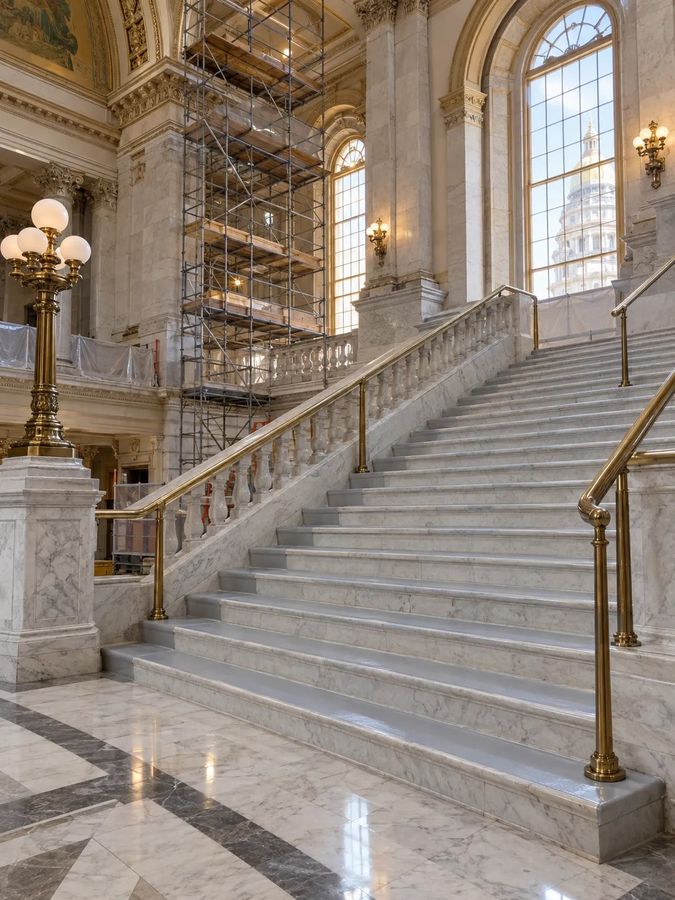
Stone and glass beside masonry and facade work. Historic or landmark finishes get a test patch if the conservator asks for one.
Read more about historic restoration protection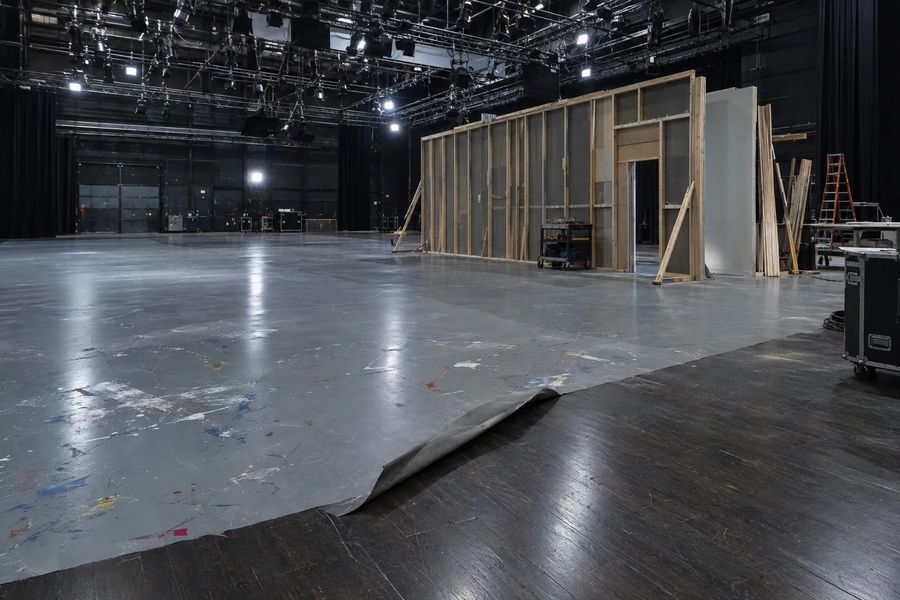
Stage floors, scene shops and long-hold locations, protected before load in, touched up through the run and peeled at wrap.
Read more for film, TV and theater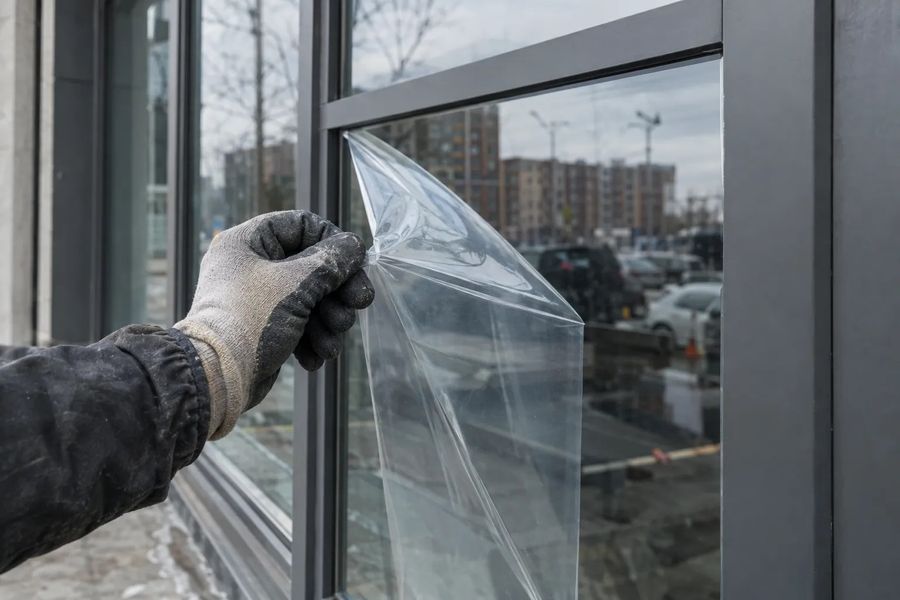
New glass and frames protected from install to handover with Peeltex High Humidity, the exterior grade, about 12 months.
Read more for glazing and curtain wall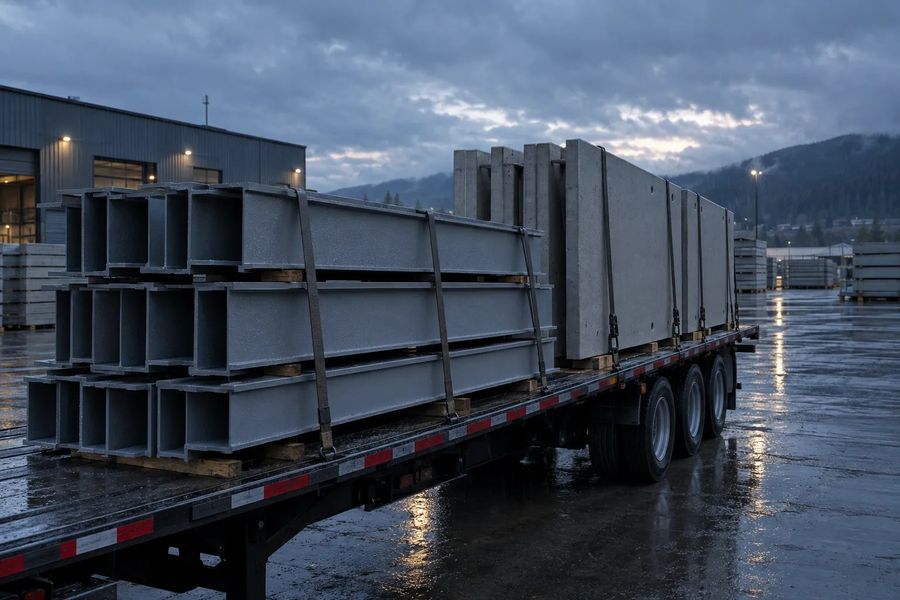
Paint booths, powder coaters and finished parts, protected before they ship.
Read more for fabrication and industrial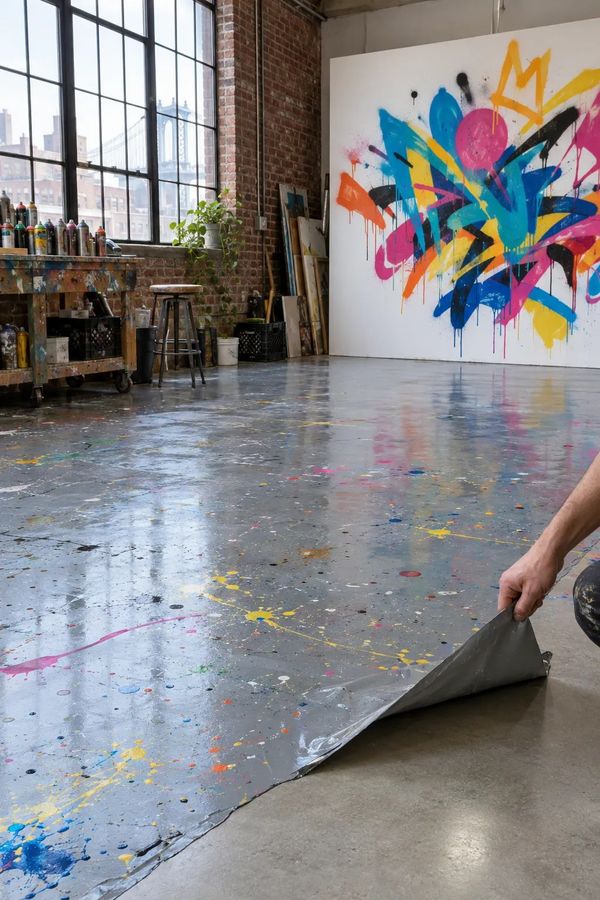
Floors and fixtures in spaces where paint and plaster fly, protected between tenants and peeled off in one sheet.
Read more for studios and art spacesProduction floors, equipment and finished goods, protected through installs, shutdowns and shipping.
Read more for manufacturing and industrialCorridors, entrances, elevators and floors in healthcare buildings, protected through renovation and move in.
See the packagesFloors and routes in data centers, protected while equipment is moved in and fit out finishes.
See the packagesFloors, corridors and entrances in pharmaceutical buildings, protected during construction and fit out.
See the packagesAlso marine yards, schools and public housing renovations, and general contractors when the owner or the spec calls for protection.
Real photos from a warehouse floor. One pull, and the sheet and the mess on top of it go with it.
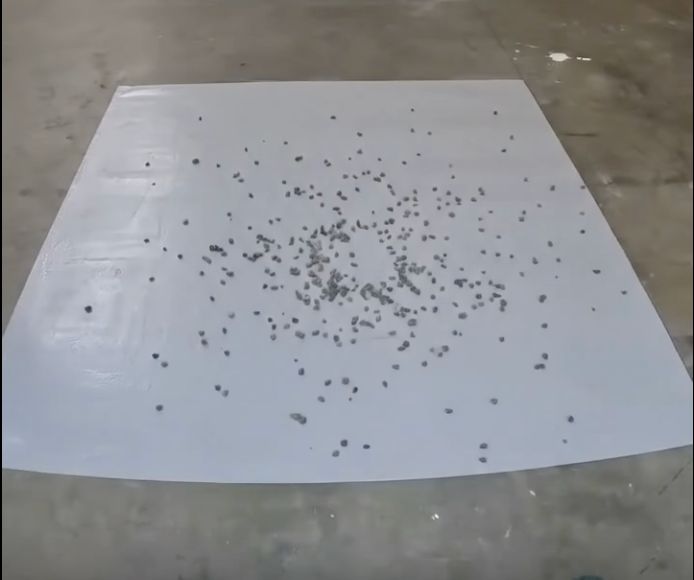
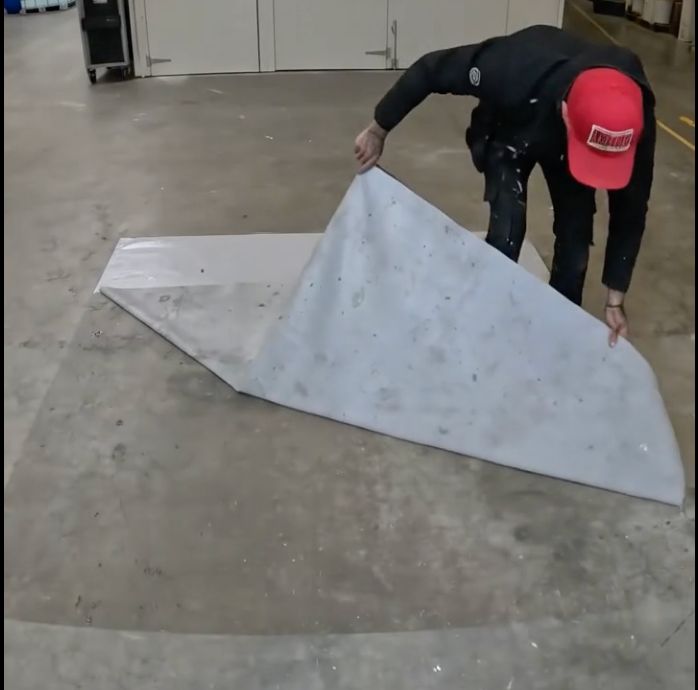
Left: the coating on the floor, debris sitting on top. Right: it lifts off in one sheet.
We spray before the work starts and peel after it ends, so your finish sees none of the work in between.
Five steps, one crew, one point of contact.
We look at every surface, the schedule and the building rules.
We test a patch on a new surface.
Sprayed at the end of the shift so the area is ready the next morning.
Scheduled checks, touch-ups and a photo log for the building.
Removed in one piece, waste taken away, surface signed off.
The coating is the easy part. The process is what protects the finish.
Sprayed protection has no seams. Board and paper can shift, open at the joints and let water and dust underneath.
We inspect during the job and send the building a photo log after every visit.
Polished marble and polished stone are approved for protection. Historic or landmark finishes get a test patch if the conservator asks for one.
At turnover the coating peels off in one piece, and the surface underneath is handed over clean.
Tap or hover a surface to see how we protect it.
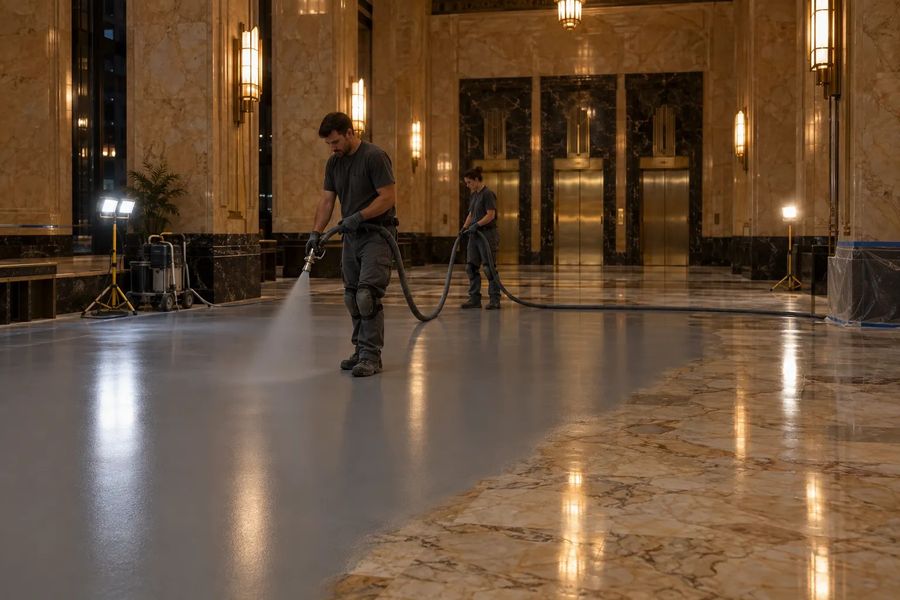 Marble lobbiesSee how we protect itElevator cabsSee how we protect itFacade glassSee how we protect itStage floorsSee how we protect itHistoric stoneSee how we protect itFinished steelSee how we protect itStudios and art spacesSee how we protect itLoading docks and routesSee how we protect it
Images are AI-generated illustrations. Real jobsite photos replace them as jobs are documented.
Strata Shield Supply sells Peeltex, call to order.
We look at every surface, the schedule and the building rules, then tell you what goes where.
Strata Systems NY LLC DBA First Layer Protection · 780 Long Beach Blvd, Long Beach, NY 11561 · (516) 756-9303 · dogrady@stratasystemsny.com